

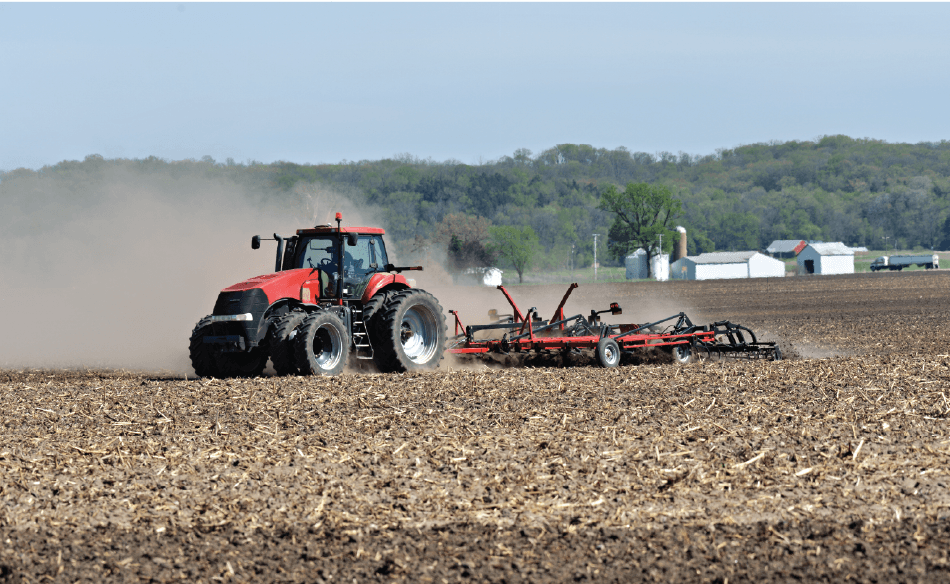
The Government’s new drought support package offers welcome breathing space for farmers facing extreme dry weather. But the real test is whether it helps shift UK farming from short-term crisis response to long-term water resilience.
This summer has exposed a hard truth for many farm businesses: drought is no longer an occasional disruption. It is becoming a recurring business risk, adding pressure to forage supplies, grazing, cropping plans and Environmental Land Management (ELM) commitments at a time when farmers are already managing high input costs, labour pressures, market volatility and policy change.
That makes the Government’s announcement significant. Temporary adjustments to ELM agreements should give farmers and land managers more flexibility where dry conditions are affecting compliance, including allowing land in an agreement to be cut or grazed to help ease shortages of grazing, and bedding. For some however the temporary adjustments may have come too late. The additional £50 million for the Sustainable Farming Incentive (SFI) 2026, taking the Window 2 budget to £230 million plus any unspent budget from window 1, does show that the government is able to reallocate funds into the scheme.
The strongest signal, however, is the renewed focus on water infrastructure. Up to £15 million for on-farm reservoirs, alongside steps to reduce unnecessary planning barriers and improve access to water during drought, points to a more strategic approach. Water management can no longer be treated as something to fix only when conditions become acute; it must sit at the heart of farm business planning, food security and climate adaptation.
If drought is now a structural risk, investment in water storage, abstraction flexibility, soil health, rainwater capture and efficient irrigation must become part of mainstream agricultural planning. This is not just about surviving one dry summer; it is about giving farmers the confidence to make decisions and investments over the next five, ten and twenty years.
On-farm reservoirs show what that shift could look like in practice. They can reduce reliance on immediate abstraction during peak pressure periods and give businesses greater control over their water supply. But they also require capital, planning permission, technical advice and long-term certainty. Farmers need a policy environment that makes these investments achievable, rather than exceptional or burdensome.
The stakes go beyond individual holdings. Drought affects crop yields, grass growth, winter forage, livestock systems and the reliability of domestic food supply. At the same time, farms are being asked to deliver more for nature, reduce emissions and maintain production. Without practical tools to manage climate risk, those ambitions become harder to deliver.
The package is welcome, but its impact will depend on delivery and the number of farms that will be able to benefit. Clear guidance, accessible funding, timely planning decisions and proportionate abstraction arrangements will determine whether farmers can move quickly from awareness to action. Resilience must not become another compliance burden; it needs to be practical, fundable and embedded in real farm business decisions.
Associate, Bradley Humber, who works in our agribusiness team, said: “The Government’s drought support package is a welcome recognition of the pressure farmers are under. But the bigger opportunity is to move water resilience from the margins of farm planning to the centre. Drought is no longer a rare interruption; it is a recurring business risk. Farmers need practical funding, proportionate planning rules and the confidence to invest in infrastructure that will protect food production, farm viability and the environment for the long term.
“Professional advice will be central to making that happen. Agribusiness advisers can help farmers review ELM agreements, identify where temporary flexibilities may apply, keep the right records and assess the implications for forage planning, livestock systems, cropping decisions and long-term resilience. If prolonged dry weather is affecting farm plans, now is the time to seek advice and ensure decisions are both practical and compliant.”