

In the dynamic world of commercial real estate, energy performance has evolved from a regulatory checkbox to a powerful financial lever. A groundbreaking study by Qiulin Ke from University College London and Michael White of Nottingham Trent University, published by Taylor & Francis, underscores that energy efficiency is not just about being green, it's a strategic business move.
Their research, titled Does Energy Performance Rating Affect Office Rents? A Study of the UK Office Market, dives deep into the UK’s office sector, examining how Energy Performance Certificate (EPC) ratings influence rental values. The results are clear: properties with top-tier EPC ratings (A or B) command significant rental premiums, highlighting the financial benefits of energy efficiency for landlords and investors.
- Properties with EPC ratings of A or B enjoy rental premiums of 10–15%.
- In regional markets, tenants are willing to pay 12% more for EPC B-rated offices compared to lower-rated ones.
- In London and major regional centres, EPC A-rated offices consistently achieve a 15% premium.
These figures send a strong message: the market is now rewarding energy efficiency, and the financial incentives for landlords to invest in sustainable upgrades are substantial.
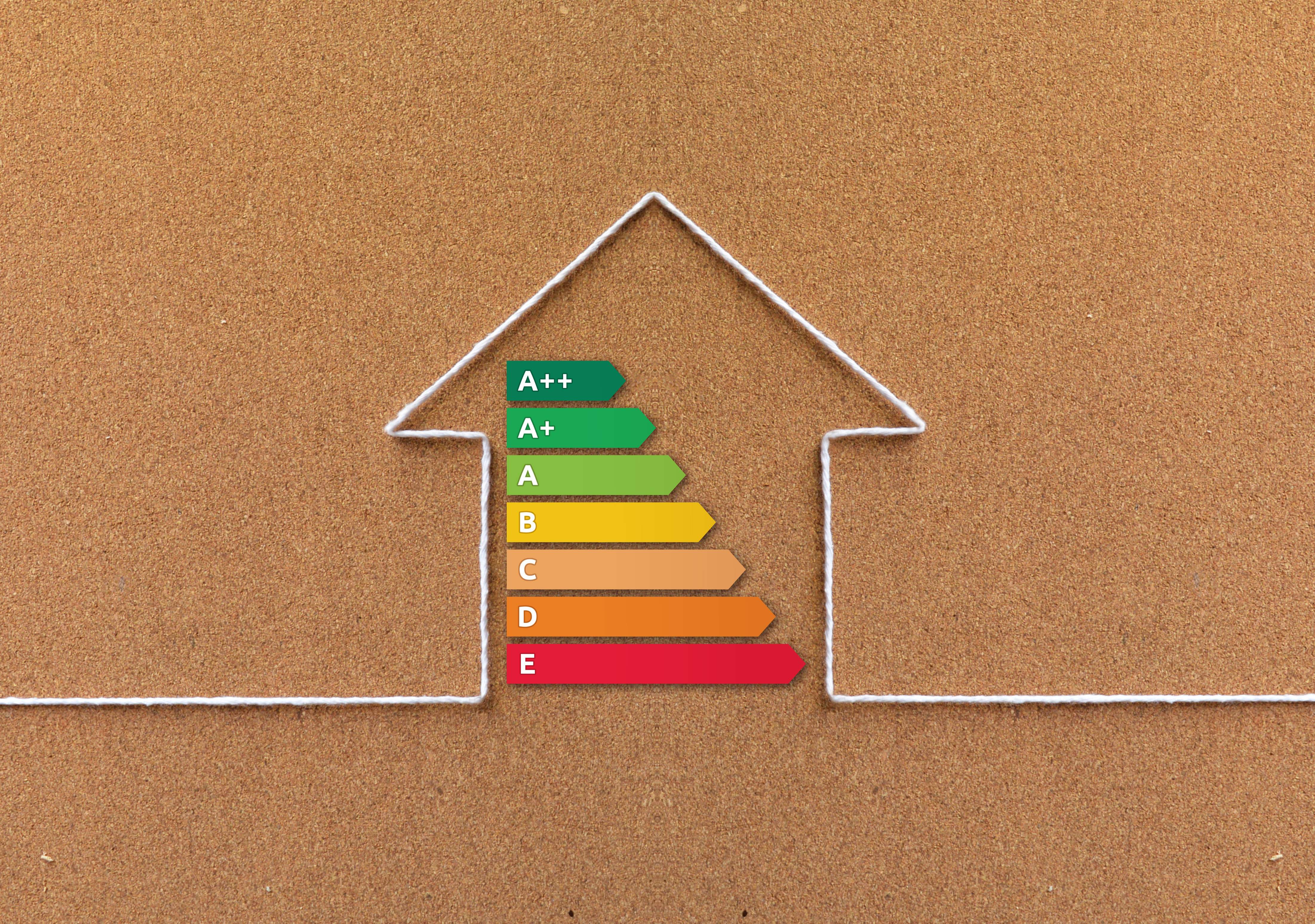
The EPC system is a cornerstone of the UK’s efforts to decarbonise its built environment. With ratings ranging from A+ (most efficient) to G (least efficient), these certificates reflect a property’s energy consumption and carbon emissions. As government policies increasingly focus on net zero targets, the urgency for landlords to upgrade their assets has never been greater.
Historically, energy performance was a "nice-to-have" for tenants with strong sustainability mandates. Today, it has become a "must-have," with corporate occupiers demanding proof that buildings support their ESG goals and operational efficiency.
Ke and White’s study reveals nuanced market dynamics. In regional markets across the UK, the appetite for better-rated offices is strong, with a 12% premium for EPC B-rated properties. In London and key regional centres, the competition for top-tier space is even fiercer: EPC A-rated offices reliably attract a 15% rent premium.
This split reflects the priorities of occupiers: in London, where corporate reputations and regulatory scrutiny are high, the best buildings enjoy heightened demand. Regionally, the financial case for upgrading to B-rated stock is clear, with tenants recognising both operational and reputational benefits.
To understand the practical implications for landlords and investors, we consulted our lease advisory team and net zero specialists, including Rupert Collis, Head of Commercial Lease Advisory, Partner Ishfaq Hussain, Sustainability Adviser Philip Chapman, and ESG Partner Rachel Bridge.
Rupert noted, “This research validates what we are seeing in transactional activity. Energy efficiency is no longer a fringe consideration; it’s now a key driver for tenants evaluating office space. Landlords who proactively upgrade their buildings are not only future-proofing their assets against regulatory changes but also unlocking significant rental upside. The data shows that occupier willingness to pay for superior EPC ratings directly translates into higher asset income.”
Ishfaq added, “There’s a clear shift in occupier expectations. The rental premium for EPC A and B-rated buildings is a powerful incentive for landlords to invest in energy upgrades. It’s also a crucial lever in lease negotiations, giving well-rated properties an edge and improving their leverage in rental discussions. For landlords, the calculus is straightforward: improved energy performance equals improved returns.”
Philip commented, “The path to net zero is a collaborative endeavour, requiring alignment between landlords, property managers, and occupiers. This study provides compelling evidence that the market is rewarding energy efficiency, not just with goodwill but with tangible financial benefits. As we support clients in navigating their net zero journeys, delivering enhanced EPC ratings should be at the forefront of asset management strategies.”
The findings from Ke and White’s research have far-reaching implications. For landlords, the message is clear: investing in energy performance improvements is not just ethical, but profitable. The collaboration between lease advisory services, property management, and net zero delivery is critical in realising this value.
Our lease advisory team plays a pivotal role in negotiating agreements that reflect the enhanced value of energy-efficient buildings, ensuring landlords can maximise the rental premium and also so that tenants can benefit from buildings with lower running costs, a high quality working environment for staff and also assist in meeting their own ESG targets. Our commercial property management teams are essential in implementing upgrades and ensuring operational efficiency, which in turn supports higher EPC ratings. Our DNZ specialists guide the strategic approach, helping landlords align with regulatory requirements and future-proof their assets.
Rachel concluded, “Together, these disciplines unlock both environmental and financial rewards. As the market continues to evolve, the integration of lease advisory, property management, and net zero strategy will become ever more important.
“The findings of Qiulin Ke and Michael White’s landmark study cannot be overstated. As energy efficiency becomes a defining factor in office rents, the commercial real estate sector must adapt swiftly. Landlords who embrace the challenge and invest in improved EPC ratings will not only support the UK’s net zero ambitions but also secure a financial edge in a competitive market.
“The collaboration between our teams exemplifies the integrated approach needed to deliver sustainable and profitable buildings. As the office market continues to evolve, energy performance will remain at the heart of value creation, shaping the future of workspace in the UK.”